



Sewing and Embroidery Machines
Brother Sewing and Embroidery Machines
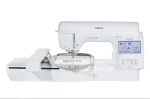
At SignProduction, you will find Brother sewing and embroidery machines for creative projects, garment making and textile personalisation. Choose from electronic sewing machines, dedicated embroidery models and combination machines, depending on whether you want to sew, embroider or do both.
An embroidery machine lets you add names, company logos, decorative patterns and individual designs to suitable garments and accessories. From polo shirts and workwear to sportswear and bags, embroidery creates a distinctive textured finish for business branding, club clothing and personalised items.
Our range includes three types of machine:
- Sewing machines for garment construction, alterations, repairs and decorative stitching.
- Embroidery machines for computer-controlled stitching of names, logos and designs.
- Combination sewing and embroidery machines that bring both functions together in one unit.
Depending on the model, features include built-in embroidery designs, colour touchscreens, automatic thread trimming and the transfer of your own compatible embroidery files. The range caters for hobbyists, designers, schools, clubs and businesses working with individual items or smaller production runs.
Explore our materials for embroidery and sewing to find supplies for your projects. Contact us on +44 2036300130 or by email if you need help choosing a Brother machine and suitable accessories.
Combo - Sewing and Embroidery Machines:
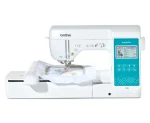
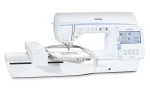
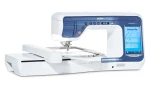
Sewing machines:
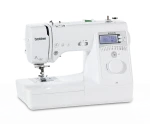
Embroidery machines:
Choosing a Brother Sewing and Embroidery Machine
The right Brother sewing or embroidery machine depends on the work you want to produce. Sewing garments, adding embroidered logos and combining both techniques place different demands on the machine, its accessories and your preparation.
Start by deciding whether you need sewing, embroidery or both. Then consider the embroidery area, the fabrics you will use, design transfer options and the number of items you expect to make.
Sewing Machine, Embroidery Machine or Combination Model?
Electronic Sewing Machines
A sewing machine joins and finishes fabric using different stitch types. It is used for garment construction, alterations, repairs and creative sewing, with electronic controls helping you select and adjust stitches.
Typical projects include:
- Making and altering clothing
- Repairing seams and hemming garments
- Sewing buttonholes and inserting zips
- Quilting and patchwork
- Decorative stitching and appliqué
- Making bags, cushions and other home textiles
- Attaching patches and fabric details
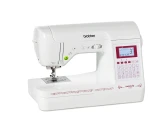
The Brother Innov-is A16 and Brother Innov-is F400 are dedicated sewing machines. They are relevant choices when your main priority is working with seams and fabric construction rather than stitching computer-controlled embroidery designs.
Dedicated Embroidery Machines
An embroidery machine follows a digital embroidery file while moving hooped fabric beneath the needle. The file controls the stitches needed to create lettering, logos and decorative patterns.
Common applications include company branding, names and monograms, club emblems, personalised accessories, patches and decorative textile designs.
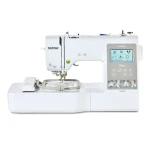
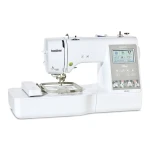
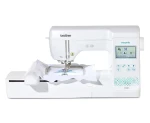
Our dedicated embroidery models include the Brother Innov-is M340ED, Brother Innov-is F540E and Brother Innov-is NV880E.
A separate embroidery machine can remain set up for embroidery while another machine is available for sewing. This can be convenient when projects regularly involve both processes.
Combination Sewing and Embroidery Machines
A combination machine offers sewing and embroidery in one unit. It suits users who want to construct or alter an item and then decorate it without finding space for two separate machines.
The range includes:
These models bring flexibility to creative studios, schools, clubs and smaller workshops. Consider how often you will switch between sewing and embroidery, alongside the workspace and embroidery area each model provides.
What Can Sewing and Embroidery Bring to Your Work?
Bringing textile work in-house gives you greater control over personalisation, preparation and the finished item. Depending on the equipment and your experience, benefits can include:
- Individual personalisation with names, initials and custom designs
- Consistent stitching from a prepared embroidery file
- A distinctive finish for branded clothing and accessories
- Small-batch production without committing to large quantities
- Creative flexibility across sewing, appliqué and embroidery
- Repeatable designs for returning customers and matching garments
- More control over quality through sampling and inspection
The result still depends on the combination of machine, design, fabric, thread and stabiliser. Good preparation is just as important as the equipment itself.
Choosing the Right Embroidery Area
The embroidery area determines the maximum design size that can be stitched in one hooping, using a suitable compatible hoop. It is not the same as the overall size of the garment or fabric you can work with.
A smaller area can be sufficient for initials, names, chest logos, monograms and small patches. For example, the Brother Innov-is M340ED has a 100 × 100 mm embroidery area.
Larger designs, such as back logos, decorative panels and arrangements combining several elements, benefit from a larger embroidery field. This can reduce the need to reposition the fabric, although the design must still fit within the machine’s supported dimensions.
Consider both your current projects and the designs you may want to produce later. A machine that accommodates today’s small logo may not suit a future order for larger garment decoration.
Embroidery Hoops and Fabric Positioning
An embroidery hoop holds the fabric and stabiliser securely while the machine stitches. Choose a hoop that is compatible with the model and appropriate for the design, material and position on the item.
Where practical, use the smallest suitable hoop that comfortably contains the complete design. The fabric should remain smooth and secure without being stretched out of shape, particularly when working with jersey or other elastic materials.
Check that seams, pockets, zips and other parts of the garment will not obstruct the hoop’s movement. On finished items, keep any fabric that should not be stitched clear of the embroidery area.
Stabiliser and Backing Materials
Embroidery stabiliser, also called backing, supports the fabric during stitching. An unsuitable backing can allow movement, puckering or misaligned outlines even when the machine and embroidery file are otherwise correctly prepared.
Different materials serve different purposes:
- Tear-away stabiliser can suit stable woven fabrics and selected designs. Excess backing is carefully removed after stitching.
- Cut-away stabiliser remains behind the embroidery to provide ongoing support. It is often useful for stretchy garments, dense designs and items that will be washed regularly.
- Water-soluble stabiliser is used for suitable specialist techniques and projects where removable support is needed.
- Water-soluble topping sits above the fabric and helps prevent stitches from sinking into textured surfaces such as towelling, fleece and some knitted fabrics.
Choose the backing according to the fabric, stitch density and intended use of the finished item. Always test the complete combination before starting a customer order.
Choosing Embroidery Thread
Embroidery thread affects the appearance, feel and durability of the finished design. Its material and thickness also influence the needle choice, tension and machine settings.
Polyester thread is commonly used for workwear, sportswear and other frequently washed items. Rayon thread offers an attractive sheen for decorative embroidery, clothing and monograms where its care requirements are suitable.
Metallic thread can add a special finish but may require a suitable needle, careful threading and a reduced speed. Cotton thread produces a more matt appearance and can suit selected decorative work, provided the machine and design are prepared for it.
Browse our embroidery materials and match the thread to the garment’s use and washing requirements.
Bobbin Thread and Tension
A balanced relationship between upper thread and bobbin thread helps produce neat embroidery. Loops, visible bobbin thread on the front or uneven stitching can indicate a threading, tension, needle or design problem.
Before adjusting settings, check that:
- The bobbin and bobbin thread meet the machine’s requirements
- Both threads follow the correct threading paths
- The bobbin area is clean
- The needle is suitable and undamaged
- The fabric has adequate stabilisation
- The embroidery file is appropriate for the material
Make small adjustments according to the machine’s instructions and test between changes. Recording successful settings makes future orders easier to reproduce.
Needles for Different Fabrics and Threads
The needle must suit the machine, fabric and thread. A needle that works well on a stable woven material may not be appropriate for a stretchy T-shirt or a specialist decorative thread.
Embroidery needles are available for different applications, including suitable ballpoint types for knitted fabrics and options designed for metallic threads. Thicker material does not simply call for the largest available needle; the complete setup must remain within the machine’s capabilities.
Replace worn, bent or damaged needles promptly. If a needle strikes the hoop or another obstruction, stop and check the cause before continuing.
Embroidery Files and Digitising
A company logo supplied as a JPG, PNG, PDF or SVG is not automatically ready for embroidery. It must first be converted into an embroidery file containing the instructions the machine needs to stitch the design.
This preparation is called digitising. It determines stitch types, direction, sequence, colour changes, underlay and other details that affect the finished result.
Good digitising takes account of:
- The final dimensions of the design
- Fabric type and stretch
- Stitch density and underlay
- The size of lettering and fine details
- Thread changes and connecting stitches
- Movement and distortion caused by stitching
Automatic conversion can provide a starting point, but it does not replace checking and test stitching. A design prepared for a firm woven fabric may need adjustments before it works well on a lightweight knitted garment.
Small Lettering and Detailed Logos
Fine lines and small text do not always translate directly from a printed logo into stitches. Thread has a physical thickness, and the texture of the fabric can affect how clearly individual details appear.
For better legibility, it may be necessary to enlarge the lettering, increase spacing, simplify small elements or strengthen thin outlines. Dense detail can also make a small area feel stiff.
For branded work, agree on the finished appearance using an embroidered sample, rather than relying only on an image displayed on screen.
Built-in Designs, Fonts and Editing
Depending on the model, Brother embroidery machines include built-in designs and lettering fonts. These can be useful for names, initials, monograms, decorative frames and creative textile projects.
Available editing functions may include positioning, rotation, mirroring, size adjustments and combinations of text and designs. Check the individual model’s capabilities, as editing tools and design collections vary.
Built-in options can simplify everyday personalisation, while custom logos generally require a separately prepared embroidery file.
Transferring Designs by USB or Wireless Connection
Design transfer options depend on the machine. Compatible models may support USB transfer, wireless connectivity or both, sometimes with additional software or an app.
Before choosing a model, check its supported file formats, design dimensions and connection requirements. Also consider whether you need separate software to create or edit your own embroidery files.
A wireless connection transfers compatible data; it does not automatically turn an ordinary image into a production-ready embroidery design.
Single-Needle Embroidery and Colour Changes
The embroidery and combination models in this range use a single needle for embroidery. They can produce multicolour designs, but the operator changes the upper thread when the next colour is required.
Automatic thread trimming cuts the thread where supported. It does not mean that the machine automatically selects and threads a different colour.
Single-needle machines can suit personalised items, creative projects and smaller batches. For designs with many colours, include the time needed for rethreading when estimating production capacity. Multi-needle machines work differently, with several thread colours already loaded, but they should not be confused with the models listed here.
Embroidering T-shirts and Polo Shirts
Embroidery can be used on suitable T-shirts and polo shirts, provided the design and preparation suit the fabric.
Lightweight jersey needs particular care because it can stretch or pucker. Suitable needles, supportive backing and an appropriate stitch density help, while a soft covering on the reverse may improve comfort where the embroidery touches the skin.
Piqué polo fabric has a different texture and may behave differently from a smooth T-shirt. Test the actual garment rather than assuming one setup will work equally well on both.
Sweatshirts, Jackets and Workwear
Sweatshirts, jackets and workwear offer opportunities for names, chest logos and larger designs. The garment’s construction is just as important as its fabric weight.
Check access to the intended position and allow for seams, pockets, linings and zips. Thick layers or restricted areas may make hooping difficult even when the fabric itself is suitable for stitching.
For waterproof, membrane-based or protective garments, follow the garment manufacturer’s guidance before embroidering. Needle holes can affect the material’s performance.
Embroidery on Bags and Accessories
Names, logos and decorative designs can be added to suitable bags and tote bags. Access and clearance are often the main limitations.
Make sure only the intended layer is being stitched, and keep straps, fastenings and hard components away from the needle and moving hoop. The material must also remain within the machine’s thickness and handling limits.
When making an item from scratch, embroidering a flat panel before assembly can be easier than working on the completed bag.
Can These Machines Embroider Caps?
Caps need particular consideration because their curved shape and stiffened sections can be difficult to position on a flatbed embroidery machine.
The listed models should not be treated as industrial machines with rotating cap frames. Possible approaches include embroidering a suitable flat panel before assembly, using a compatible accessory where explicitly supported, or attaching a separately embroidered patch.
Check the machine, accessory and cap together before committing to a design or production order.
Embroidered Patches and Appliqué
Embroidered patches provide another way to decorate garments and accessories, especially when the finished item cannot be hooped easily. The design is stitched onto a suitable base material and finished with an appropriate border.
A completed patch can be sewn on or attached using a compatible backing system. Depending on the application, this may include heat-activated backing or hook-and-loop fastening.
Appliqué combines fabric pieces with embroidery stitches and can be useful for larger shapes without filling the entire area with thread.
Embroidery for Branding and Personalisation
Embroidery creates a raised, tactile finish for company clothing, club garments, sportswear, bags and personalised accessories. Names and individual details can be added alongside a shared logo, making it useful for small teams and repeat orders.
Durability depends on the complete combination of thread, fabric, backing, digitising and care. Choosing the right materials and testing them under the intended washing conditions is more useful than assuming every embroidered design will perform identically.
Production Speed and Capacity
The machine’s stitching speed is only one part of the production process. Preparing files, hooping garments, changing colours, finishing the reverse and checking completed items all take time.
Stitch count and the number of colour changes can have a greater effect on production time than the design’s dimensions alone. A small, densely filled logo may take longer than a larger open design.
Prepared thread, spare compatible hoops and a consistent placement method can make repeat work more efficient. Base delivery estimates on the complete process, not just the stitching time shown on screen.
A Practical Embroidery Workflow
A consistent routine helps identify problems before they affect a full order:
- Receive and check the artwork.
- Prepare a compatible embroidery file.
- Confirm the design size, position and suitable hoop.
- Select the garment, thread, needle and stabiliser.
- Produce a sample using the intended materials.
- Check lettering, colours, alignment and stitch density.
- Position and hoop the final item carefully.
- Run the embroidery while monitoring the work.
- Remove excess backing and finish loose threads.
- Inspect the front and reverse before packing.
For customer work, approve the sample before starting the remaining items.
Keeping Repeat Orders Consistent
Record the file version, design size, thread colours, needle, stabiliser and placement used for successful work. It is also useful to note the garment reference, relevant settings and any adjustments made during testing.
Keep an approved sample or clear production photographs where practical. These records help maintain consistency when a customer returns for additional garments or replacement items.
Washing and Caring for Embroidered Textiles
Follow the care requirements of both the garment and the embroidery materials, using the more restrictive instructions where they differ.
Where appropriate, turn garments inside out, secure zips and hook-and-loop fastenings, and use a suitable detergent. Avoid bleach unless the materials permit it, and follow the recommended drying instructions.
Take care when ironing raised embroidery, as direct pressure can flatten the stitches. A wash test on a finished sample is worthwhile before making durability claims or producing a larger batch.
Cleaning and Machine Maintenance
Regular maintenance supports consistent stitching. Follow the machine’s manual for cleaning, servicing and any lubrication requirements rather than applying oil without checking.
Remove lint from the bobbin area as instructed, inspect the thread path and replace worn needles. Use compatible bobbins and accessories, install relevant updates where applicable, and protect the machine from dust when it is not in use.
Common Embroidery Problems
Thread Keeps Breaking
Check the threading, needle condition, thread quality and tension. Excessive speed or a very dense design can also contribute, particularly with specialist threads.
Bobbin Thread Appears on the Front
Review the upper and lower threading, bobbin setup and tension according to the manual. The embroidery file and fabric support may also need attention.
The Fabric Puckers
Check the stabiliser, hooping and stitch density. Stretching the garment during hooping can cause distortion when it is released.
Colours or Outlines Do Not Align
Fabric movement, insufficient support or unsuitable digitising can affect registration. Test the design on the intended material and check that the hoop is secure.
Stitches Are Skipped
Inspect the needle and confirm that its type suits the thread and fabric. Replace it if it is damaged or worn.
Loops Form in the Stitching
Rethread the machine according to its instructions and check that the thread is correctly seated in the tension system.
A Needle Breaks
Stop immediately and follow the manual’s safety instructions before inspecting the machine. Recover any broken pieces and identify the obstruction or setup problem before restarting.
Embroidery, Textile Vinyl or DTF?
Different decoration methods suit different artwork and garments.
Embroidery provides a textured finish for suitable polo shirts, workwear, jackets and accessories. Large areas of dense stitching can, however, add weight and stiffness.
Textile vinyl is often useful for names, numbers and designs using selected solid colours or special finishes.
DTF printing can suit detailed, multicolour graphics and photographic artwork that would be difficult to reproduce clearly in thread.
Choose according to the fabric, design detail, desired feel, order quantity and care requirements. A workshop may use more than one method to cover different types of order.
Calculating Costs and Assessing the Investment
The cost of embroidery includes more than thread and machine time. Allow for digitising, sampling, hooping, colour changes, backing, garments, finishing and quality checks, alongside packing and other order-related work.
Small orders can have a higher cost per item because preparation is spread across fewer pieces. Keeping reusable files and production records can reduce repeated setup work, although each new garment or design variation may still need testing.
Bringing sewing or embroidery in-house can offer faster personalisation, closer quality control and less reliance on outside production. Assess the investment against the work you expect to receive, the time available and any additional accessories or software needed.
Questions to Ask Before Choosing a Machine
Consider the following before deciding:
- Do you need sewing, embroidery or both?
- What is the largest design you expect to stitch?
- Which garments and fabrics will you work with?
- How many items will you produce at a time?
- How many thread colours do your usual designs require?
- Will you use built-in patterns, custom logos or both?
- Which design transfer methods fit your setup?
- Would automatic trimming or a needle threader be useful?
- Do you need particular sewing or quilting functions?
- Is there enough room for the machine and moving embroidery unit?
- Which hoops, materials and software should be included in your budget?
Frequently Asked Questions About Sewing and Embroidery Machines
What Is the Difference Between Sewing and Embroidery?
Sewing generally joins, shapes or finishes fabric. Computer-controlled embroidery uses a prepared file to create decorative stitching, such as names, logos and patterns.
Can an Embroidery Machine Also Sew?
A dedicated embroidery machine is not a substitute for a general sewing machine. Choose a combination model if you want both functions in one unit.
Can I Embroider My Own Logo?
Yes, provided it is prepared as a compatible embroidery file and fits the machine’s embroidery area. Most ordinary image files need digitising first.
Do These Machines Change Thread Colours Automatically?
No. The embroidery models listed here use a single needle, so you change the upper thread between colours. Automatic trimming, where available, is a separate function.
Can I Embroider T-shirts?
Yes, when the garment, design and preparation are suitable. Stretchy fabrics need particular attention to backing, needle choice, hooping and stitch density.
Can I Embroider Workwear?
Many workwear items can be embroidered, but the fabric and construction must be suitable. Check the manufacturer’s guidance before decorating waterproof or protective garments.
Can I Embroider Caps?
This depends on the cap, machine and supported accessories. The listed flatbed machines should not be assumed to handle finished caps in the same way as an industrial machine with a rotating cap frame.
Why Is Stabiliser Needed?
It supports the fabric during stitching and helps prevent movement, puckering and distorted designs. The appropriate type depends on the fabric and embroidery.
Which Thread Is Suitable for Workwear?
Polyester embroidery thread is commonly used because of its durability and suitability for frequent washing. Check the specific thread’s care requirements against those of the garment.
What Does Embroidery Area Mean?
It is the maximum supported design area that can be stitched in one hooping with an appropriate compatible hoop. It does not describe the overall garment size.
How Long Does Embroidery Take?
Time depends on stitch count, speed, colour changes and handling. Include file preparation, hooping and finishing when estimating the total time per item.
Can I Send a JPG Directly to the Machine?
A JPG is an image, not a stitch file. It needs to be converted into compatible embroidery data, even when the machine supports wireless transfer.
Is Embroidery More Durable Than Printing?
There is no universal answer. Performance depends on the decoration method, materials, preparation, garment use and washing conditions.
Materials for Sewing and Embroidery
The machine is one part of the setup. Explore our materials for embroidery and sewing, including dedicated embroidery supplies and sewing materials.
For garments and accessories, browse T-shirts, polo shirts, sweatshirts and bags. Check each item’s suitability for your intended decoration method before production.
Advice About Brother Sewing and Embroidery Machines
At SignProduction, we can help you choose a Brother sewing machine, embroidery machine or combination model suited to your projects, fabrics and expected workload. Our guidance can cover embroidery areas, compatible hoops, design files, thread, needles and supporting materials.
Contact us on +44 2036300130 or by email if you need advice or a quotation for your sewing and embroidery setup.