





DTF - Direct-to-Film
DTF – Efficient and Durable Textile Printing with Direct-to-Film
DTF (Direct-to-Film) is a modern and efficient method for textile printing, where your design is printed on a specialty film and transferred to fabric with heat. At signproduction.co.uk, we offer high-quality DTF film and adhesive, delivering sharp, colorful, and durable results – ideal for both hobbyists and professional production.
How DTF Technology Works
The process consists of three steps: your design is printed onto DTF film, adhesive powder is applied, and finally everything is transferred to the textile using a heat press. The result is a vibrant and durable print that can be used on cotton, polyester, and blended fabrics.
Benefits of DTF from signproduction.co.uk
Our DTF film and adhesive ensure high resolution, strong adhesion, and long-lasting results – even after many washes. You avoid the need for pre-treating textiles, saving time and increasing efficiency. Explore our selection and start your next textile project with DTF technology today!
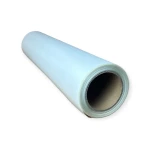
DTF - Direct-to-Film: The Latest Technology for Textile Printing
DTF - Direct-to-Film is a groundbreaking textile printing technology that revolutionizes the industry by enabling detailed and colorful prints on a wide range of materials. This method uses specialized DTF films and inks to achieve durable, flexible, and high-quality prints. DTF technology has opened new opportunities for both designers and businesses looking to create long-lasting, precise designs on both light and dark textiles. This guide provides an in-depth understanding of how DTF film transfer works and why this method is ideal for modern textile printing.
How DTF Film Transfer Works
DTF film transfer is a process where a design is first printed onto a specialty film. After printing, DTF powder is applied to the film and then heat-cured. This allows highly detailed and colorful designs to be transferred onto a wide range of textiles, including both dark and light fabrics. The technology works effectively on materials such as cotton, polyester, nylon, and even leather, making it extremely versatile. A DTF printer is necessary to achieve the best results, as these printers are designed to handle the specific technology involved in DTF film transfer.
The main advantage of DTF technology is its versatility. You can create precise and sharp prints on different textiles while keeping the results soft and flexible. This makes DTF an ideal choice for businesses aiming to deliver products with both high visual appeal and comfort.
Benefits of DTF Film Transfer Compared to Traditional Methods
DTF technology stands out from traditional heat transfer methods in several ways, offering significant benefits that enhance both quality and efficiency:
- Printing on dark textiles: DTF allows both white and colored designs on dark fabrics, a feature not available with traditional heat transfer techniques.
- Higher quality and durability: Prints achieved with DTF are more vibrant and have better color reproduction. They are also more resistant to wear and do not fade as quickly as with traditional methods.
- Versatility: DTF film can be applied to a wide range of materials, including cotton, polyester, nylon, and even leather, making it suitable for various projects and textile products.
- Softer finish: DTF prints have a soft and flexible finish, making them comfortable to wear. This is ideal for apparel and textiles that require movement without feeling stiff or heavy.
Overall, DTF film transfer provides many advantages, making it an ideal solution for both professional printers and small businesses that want to produce high-quality prints quickly and efficiently.
How to Choose the Right DTF Film
To achieve the best results with DTF technology, it is important to select the right DTF film. Consider the following factors:
- Material: Choose a film compatible with the fabric you want to print on. Some films are designed specifically for certain materials like cotton or polyester to ensure better results.
- Thickness: Film thickness can affect both the look and durability of your print. Thin films are easier to work with, while thicker films provide a more robust and long-lasting result.
- Surface finish: Choose between a matte or glossy finish depending on the desired aesthetics. Matte gives a subtle and professional look, while glossy provides a more vibrant and eye-catching appearance.
Note that selecting high-quality DTF ink and powder is as important as choosing the right film. Additionally, it is essential that the printer and equipment are properly calibrated and maintained to ensure the highest print quality.
The Future of DTF Film Transfer in Textile Printing
DTF technology is still relatively new but evolving rapidly, with the potential to become a standard method in textile printing. With ongoing improvements in both equipment and materials, DTF film transfer will become even more efficient, with faster production and lower costs. The technology also allows for more environmentally friendly solutions, as DTF films can be easier to recycle and production can be optimized.
The future looks bright for DTF technology, enabling innovative designs with greater flexibility and better quality. This makes DTF a technology that can transform the textile printing industry over time.
Signproduction.co.uk: Your Reliable Partner in DTF Printing
At Signproduction.co.uk, we offer a wide range of DTF films and accessories, ideal for both professional printers and hobbyists. Our experienced team is ready to advise you on the best DTF film for your project and help choose the right materials and equipment. We provide high-quality products at competitive prices and reliable service, ensuring you achieve the best results with your DTF prints.
Ready to take your textile printing to the next level? Contact Signproduction.co.uk today and let us help you select the right DTF film and equipment for your needs.