



Diode Laser
Diode Laser Machines for Accurate Engraving and Cutting
At SignProduction, you can find laser cutting and engraving machines for sign making, creative projects, product personalisation, education and workshop production. A diode laser engraver can create detailed text, logos, patterns and images while also performing light cutting in compatible materials.
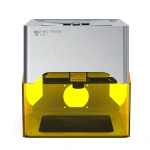
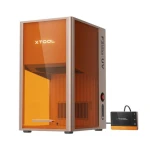
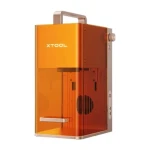
Our selection includes compact equipment such as the TwoTrees TS1 Mini, enclosed machines such as the Creality Falcon 2 Pro S and more advanced equipment for regular production. The range also includes specialised systems such as the xTool F1 Ultra and LaserPecker LP5, which combine diode technology with a fiber laser source.
The right model depends on the materials you intend to process, whether you primarily need engraving or cutting, your required working area and the expected production volume. Enclosure, extraction, air assist, software and compatible laser machine accessories should also form part of the decision.
Contact us on +44 2036300130 or by email if you need guidance choosing a diode laser machine, compatible laser materials or equipment for a complete production setup.
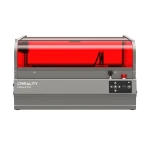
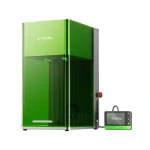
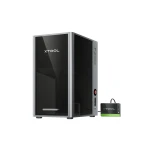
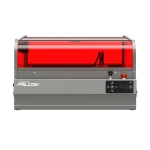
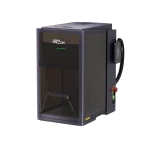
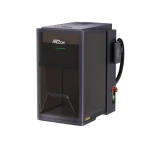
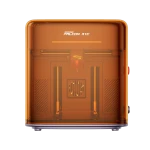
Diode Lasers for Detailed Engraving and Creative Production
Diode laser machines are a popular choice for sign making, product personalisation, precision engraving and light cutting. Their compact construction and focused beam make them relevant to creative businesses, workshops, designers, schools and makerspaces.
A diode laser can produce logos, text, graphics and decorative patterns from a digital file. Depending on the equipment and material, it may also cut thinner compatible sheets for signs, packaging, models, prototypes and personalised products.
What Is a Diode Laser?
A diode laser uses semiconductor technology to generate a concentrated beam of light. The wavelength, optical power and focus determine which materials the machine can process and whether it is primarily intended for engraving, marking or cutting.
Compared with many CO₂ laser machines, diode equipment is generally more compact and uses less electrical power. The laser source can also offer a long working life when operated and maintained according to the manufacturer’s instructions.
Some models contain only a diode laser, while others combine several laser sources. Equipment such as the xTool F1 Ultra and LaserPecker LP5 combines diode technology with a fiber laser source, expanding the range of compatible materials.
Fine Details and Accurate Engraving
The focused beam of a diode laser can create small text, sharp lines and complex patterns. This is useful for signs and personalised products where legibility, positioning and visual detail are important.
The finished appearance depends on the material, focus, power, speed and number of passes. Testing should be completed before important production work, especially when using a new material or supplier.
Diode laser engraving can be used for logos, names, photographs, decorative artwork and product information. Saved digital files make successful designs easier to reproduce or adapt for another customer.
Materials for Diode Laser Processing
Compatible materials vary according to the laser wavelength, optical power and machine configuration. Common applications include:
- Wood and veneer
- MDF and plywood
- Natural leather and approved synthetic alternatives
- Paper, card and cardboard
- Selected fabrics with documented laser compatibility
- Selected opaque or dark acrylic types
- Coated and anodised metal surfaces on compatible equipment
- Specialised materials approved by the manufacturer
Clear, white and lightly coloured acrylic may not absorb the beam from a conventional visible diode laser effectively. A CO₂ laser is normally a more versatile choice when clear acrylic is an important part of production.
A standard diode module is also not the preferred technology for direct engraving of bare metal. Equipment containing a compatible infrared or fiber laser source may be more appropriate for that application.
Materials of unknown composition should never be processed. PVC, vinyl and other materials containing chlorine can release hazardous gases and must not be placed in a conventional laser machine.
Explore our selection of materials for laser cutting and engraving if you require plywood, MDF, acrylic or engravable products for your work.
Efficient Operation and Energy Use
Diode laser machines generally use less electrical power than larger CO₂ systems. Their compact construction can also make them easier to integrate into a smaller workshop or creative workspace.
Operating costs depend on the equipment, workload, extraction, replacement components and accessories. A smaller machine may be economical for engraving and light production, while a more powerful enclosed model can provide greater capacity for regular work.
Diode equipment still requires routine cleaning and inspection. Lenses, protective glass, extraction paths and the working area should be maintained according to the manufacturer’s instructions.
Accessible Technology for New and Experienced Users
Modern diode laser machines are controlled through software that manages power, speed, passes, layers and design placement. Material profiles and saved settings can make repeated work easier to prepare.
Beginners can start with simple engraving tasks and material tests, while experienced users can adjust individual parameters for more complex designs. Familiarity with the software and material behaviour remains important for achieving consistent results.
Compact Machines for Different Workspaces
A major advantage of diode laser equipment is its comparatively compact construction. The range includes small open machines, enclosed desktop units and larger enclosed models with increased working areas and laser power.
Open machines require particular attention to shielding, eye protection, extraction and access control. Enclosed equipment may offer integrated safety features, but it must still be operated according to the manufacturer’s instructions.
The right format depends on the available space, the people using the equipment and the intended applications. Schools and shared workshops may benefit from enclosed machines with controlled access and effective extraction.
Diode Lasers for Sign Making and Personalisation
Diode laser machines can engrave wooden signs, nameplates, product labels, decorative pieces and personalised gifts. They can also create prototypes, packaging elements and selected cut components from compatible thin materials.
The technology is particularly useful for designs containing text, logos, patterns and individual customer information. Digital files can be changed quickly, allowing the same basic product to be personalised for different customers.
For businesses processing thicker materials or clear acrylic regularly, a CO₂ laser may provide more appropriate cutting capabilities. Hybrid equipment can extend the range further by combining diode engraving with infrared or fiber marking.
Safety and the Working Environment
Laser safety must be considered when installing and operating diode equipment. The appropriate enclosure, protective equipment and operating procedures depend on the laser class and machine design.
Effective extraction or filtration is required because engraving and cutting can create smoke, particles and fumes. The machine must remain supervised during operation, particularly when processing combustible materials such as wood, paper or card.
Only documented compatible materials should be used. Operators should follow the manufacturer’s guidance for eye protection, enclosure, emergency controls, ventilation and fire prevention.
Who Can Benefit from a Diode Laser?
Diode laser technology can be relevant to:
- Sign makers and advertising businesses
- Creative workshops and designers
- Schools, colleges and makerspaces
- Product developers and model makers
- Entrepreneurs producing personalised products
- Workshops requiring detailed engraving
- Experienced hobby users seeking accurate equipment
The appropriate model will depend on whether the priority is engraving, light cutting, portability, enclosure or access to several laser sources.
Choosing the Right Diode Laser Machine
Before selecting equipment, consider the materials you intend to process and the results you need to achieve. Laser wavelength and optical power are especially important because they influence material compatibility and cutting capacity.
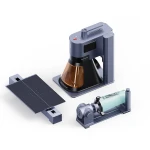
The working area should match the size of your products, while the enclosure and extraction arrangement must suit the installation environment. Software compatibility, camera positioning, air assist and rotary laser machine accessories may also influence which model is most practical.
If metal marking is important, check whether the machine includes an appropriate infrared or fiber laser source. A standard visible diode laser should not be assumed to engrave every metal or plastic.
Advice About Diode Laser Machines
At SignProduction, we can help you compare diode laser machines according to laser source, power, working area, enclosure, materials, software and production requirements. You can also explore our complete range of laser cutting and engraving machines if you need to compare diode, CO₂, fiber and UV technologies.
Contact us on +44 2036300130 or by email if you need advice or would like a quotation for a diode laser engraving and cutting machine. If several machines and processes will form part of the same workspace, we can also help you plan a complete production setup.