


Laser Cutting and Engraving Machines
Laser Cutting and Engraving Machines for Professional Production
At SignProduction, you can find laser cutting and engraving machines for sign making, manufacturing, education and creative workshops. A professional laser cutter or laser engraving machine can produce accurate shapes, detailed engravings, permanent product markings, prototypes, decorations and personalised items.
Our selection covers equipment for smaller workshops, makerspaces, schools and businesses with regular production requirements. The right laser technology depends primarily on the materials you intend to process, whether you need to cut, engrave or mark them, and the required working area and production capacity.
Choose the Right Laser Technology for Your Materials
- CO₂ lasers: Versatile cutting and engraving machines for compatible non metallic materials such as wood, MDF, acrylic, paper, card and leather. They are widely used for signs, displays, decorative pieces and customised products.
- Diode lasers: Compact engraving equipment for creative projects, education, prototypes and smaller production tasks in compatible materials such as wood, card and leather.
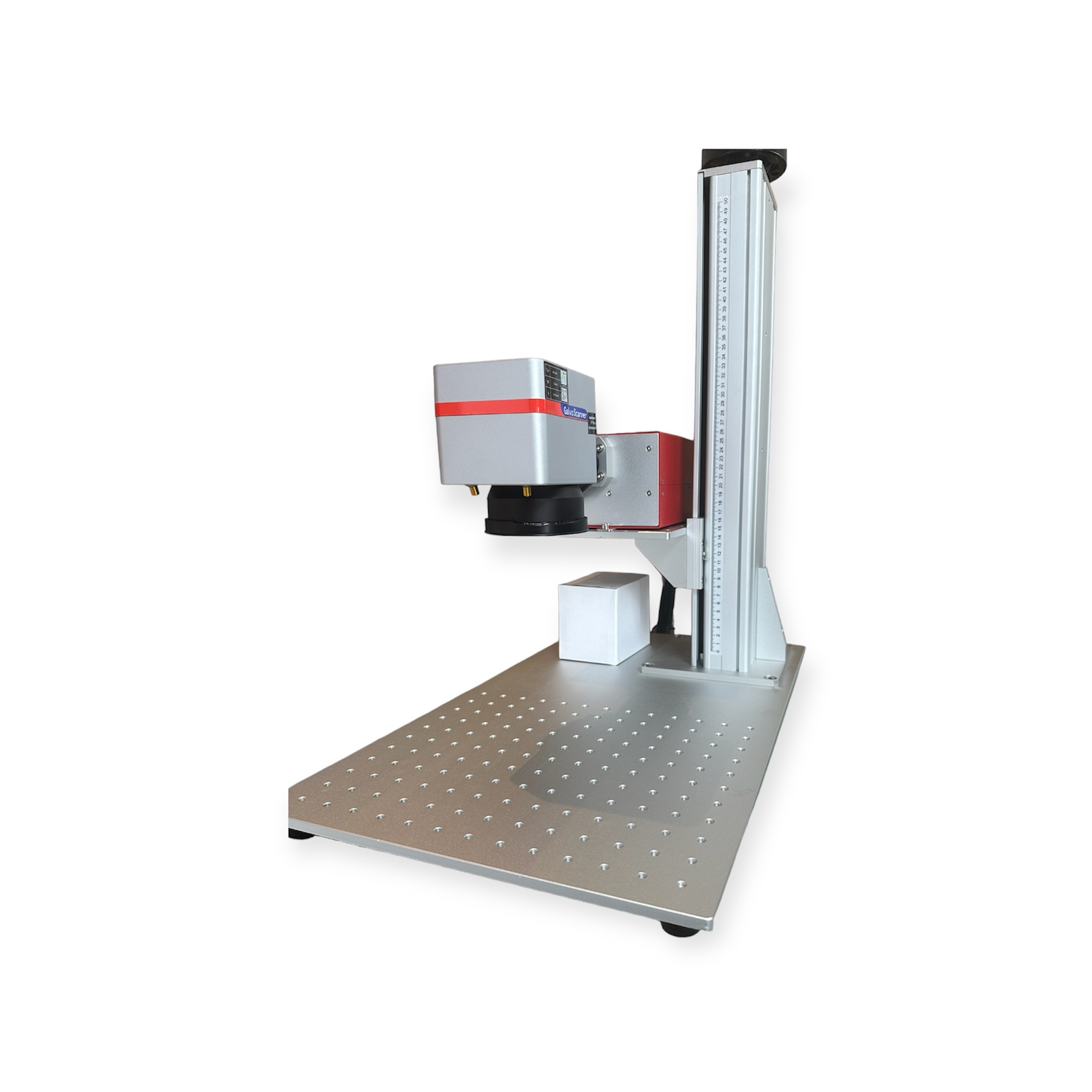
- Fiber lasers: Precise machines for marking and engraving metal, tools, components, identification plates and industrial products.
- UV lasers: Designed for exceptionally fine marking on materials such as selected plastics, glass, electronics and heat sensitive products.
A modern laser machine combines digital control with precise and repeatable processing. It can handle individual commissions, personalised products and larger batches, including acrylic signs, wooden decorations, corporate gifts, product identification and specially designed components.
You can also explore our materials for laser cutting and engraving, including plywood, MDF, acrylic and engravable products. Our accessories for laser machines can further expand the equipment and support a more efficient production setup.
If you are uncertain which laser cutter or engraving machine fits your work, we can advise you about laser type, compatible materials, working area, extraction and production capacity. Contact us on +44 2036300130 or by email if you need guidance or assistance planning a complete production setup.
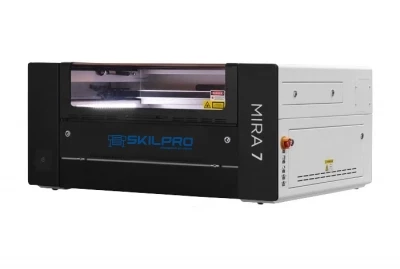
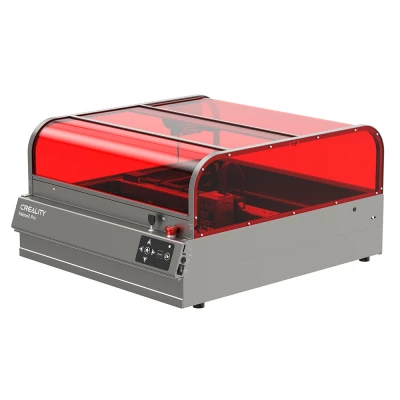
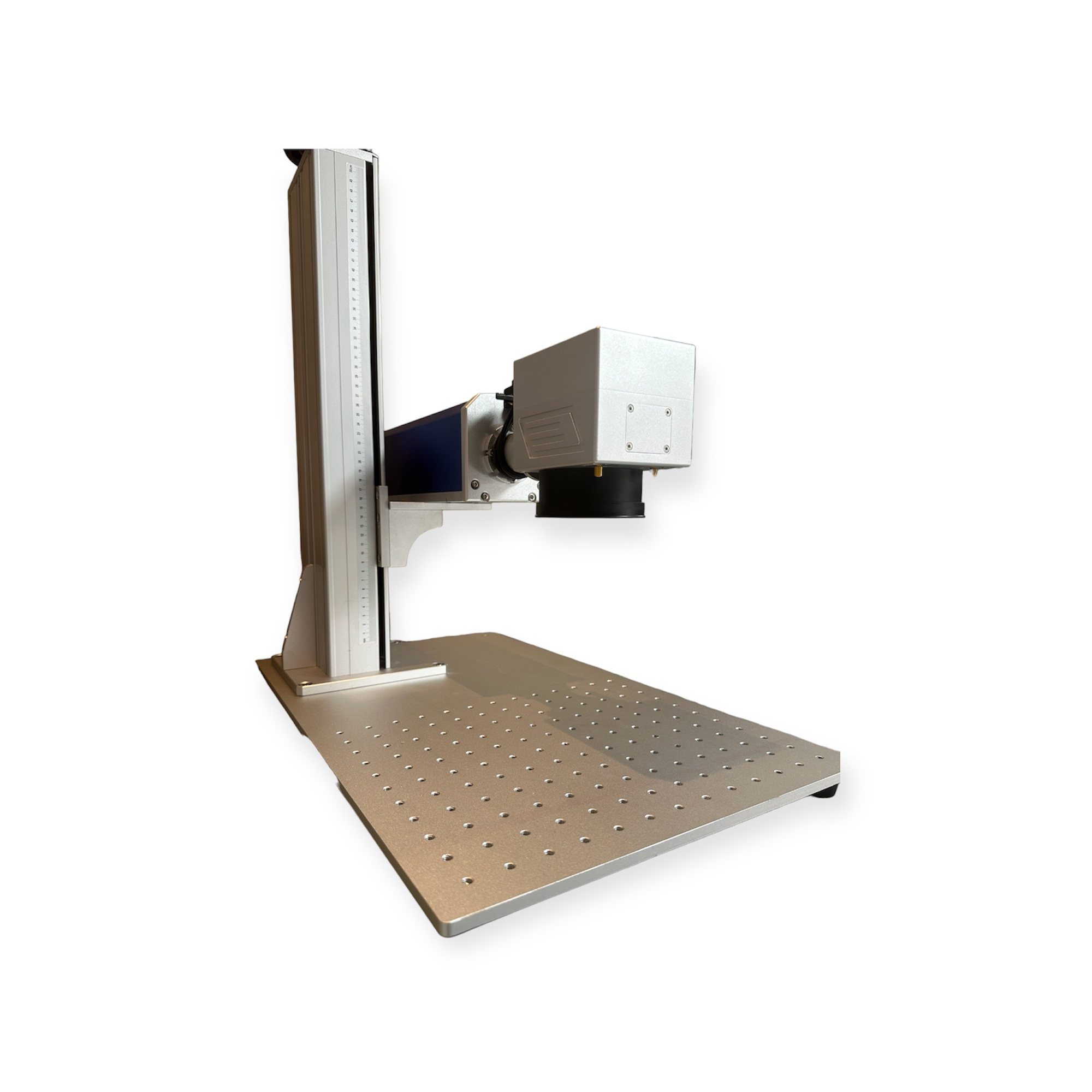
Laser Cutting and Engraving Machines for Precise Digital Production
A professional laser cutting and engraving machine can create accurate cut shapes, detailed surface engravings and permanent product identification. This technology supports a broad range of applications, including signs, displays, decorations, corporate gifts, prototypes, industrial components and personalised products.
SignProduction offers laser equipment for smaller workshops, schools, makerspaces, creative manufacturers and businesses with ongoing production. The range includes CO₂ lasers, diode lasers, fiber lasers and UV lasers, with each technology intended for particular materials and applications.
Benefits of Laser Cutting and Engraving
A modern laser cutter or engraving machine works digitally from a graphic file. This allows a design to be edited quickly and repeated accurately without producing physical templates or cutting tools.
Important advantages include:
- High precision for fine details, small lettering, sharp contours and complex shapes
- Contactless processing without a physical blade pressing against the material
- Quick changes between designs, dimensions and customer orders
- Consistent results across repeated cutting, engraving or marking tasks
- Efficient material use by arranging several components within the same sheet
- Limited finishing requirements on many compatible materials
- Easy personalisation with names, logos, serial numbers, patterns and individual information
This digital production workflow makes laser processing valuable for individual commissions, prototypes and larger production batches. Saved files and material settings also make it easier to reproduce successful projects when customers reorder them.
The Difference Between Laser Cutting, Engraving and Marking
During laser cutting, the beam passes through the material so that a complete shape, letter or component is separated from the sheet. This method can be used for sign lettering, acrylic panels, wooden products, packaging, models, decorations and technical parts.
Laser engraving processes the surface rather than cutting completely through it. The beam removes or alters a controlled layer to form text, an image, a logo or a decorative pattern.
Laser marking changes the appearance or properties of the surface to create permanent identification. It is commonly used for serial numbers, QR codes, data matrix codes, barcodes, technical information and company branding.
The laser technology, material, power, speed and focus determine whether the result is a light surface mark, a deeper engraving or a complete cut. No single laser machine is appropriate for every material, which makes the intended application an essential part of the selection process.
CO₂ Lasers for Wood, Acrylic and Sign Making
A CO₂ laser is a versatile choice for cutting and engraving many non metallic materials. It is frequently used in sign production, model making, advertising, interior design, education and the manufacture of creative products.
Depending on the power and construction of the equipment, compatible materials can include:
- Acrylic and engraving plastic
- Wood, veneer, plywood and MDF
- Paper, card and cardboard
- Leather and selected textiles
- Rubber and stamp materials
- Glass surfaces intended for engraving
- Selected plastics approved for laser processing
CO₂ lasers are particularly popular for acrylic signs, cut lettering, wooden signs, displays, boxes, models and decorative elements. They can also engrave logos, text and images directly into compatible surfaces.
Diode Lasers for Creative Projects and Smaller Production
A diode laser is generally more compact than a traditional CO₂ machine. It can be a practical choice for creative workshops, schools, makerspaces, product development and smaller businesses.
Depending on its wavelength, power and equipment, a diode engraving machine may process compatible materials such as wood, card, leather and selected plastics. Certain models can also mark coated, anodised or otherwise prepared metal surfaces.
Diode lasers are available in open and enclosed formats. For commercial or educational environments, careful consideration should be given to guarding, extraction, safety features and the suitability of the complete workstation.
Fiber Lasers for Metal Marking and Engraving
A fiber laser is designed for fast and accurate marking of metals and selected industrial materials. Typical applications include tools, machine parts, components, identification plates, jewellery, electronics and products requiring permanent traceability.
Depending on the laser source, material and settings, a fiber laser may be used for:
- Logos and company branding
- Serial numbers and product codes
- QR codes, data matrix codes and barcodes
- Text and technical symbols
- Decorative patterns and personalised engravings
- Identification of tools and industrial components
- Controlled alteration of selected surface coatings
The working speed of a fiber laser makes it relevant to individual markings and repeated production. The finished appearance depends on the metal, surface treatment, laser power, frequency, pulse settings and required engraving depth.
UV Lasers for Fine Marking of Sensitive Materials
A UV laser uses a short wavelength to create exceptionally fine and controlled markings. This technology is particularly valuable when detail and limited heat transfer are important.
Depending on the material, UV laser marking may be used on selected plastics, glass, ceramics, electronics, packaging, cables and technical components. Its fine beam supports small lettering, QR codes, serial numbers, logos and other detailed information.
UV equipment may be especially useful for heat sensitive products or materials that do not respond satisfactorily to conventional CO₂ or fiber laser processing.
Choosing a Laser Machine According to the Material
The material is one of the most important considerations when selecting a laser cutter or engraving machine. Equipment that performs well on wood and acrylic will not necessarily be appropriate for metal, glass or heat sensitive plastic.
Common material and laser combinations include:
- Wood, MDF and plywood: Often processed with a CO₂ laser or compatible diode laser
- Acrylic: Clear and coloured acrylic is commonly cut using CO₂ technology
- Metal: Frequently marked and engraved with a fiber laser, depending on the metal and required finish
- Glass: Selected surfaces may be engraved with suitable CO₂ or UV equipment
- Plastic: The exact composition must always be checked before selecting a laser process
- Paper and card: Can be cut or engraved using CO₂ and selected diode lasers
- Leather: Natural leather and approved synthetic alternatives may be processed with appropriate CO₂ or diode equipment
- Electronics and technical components: Often marked with fiber or UV lasers
Explore our materials for laser cutting and engraving if you require compatible sheet materials and engravable products. The selection includes plywood, MDF and acrylic for different creative and commercial applications.
Unknown materials should never be placed in a laser machine. Certain plastics, composites and surface treatments can release hazardous or corrosive fumes, while PVC, vinyl and other materials containing chlorine must not be processed in a conventional laser cutter.
Laser Power, Speed and Material Thickness
Higher laser power may allow compatible materials to be cut more quickly or at greater thicknesses. However, maximum wattage alone does not determine the quality or capability of a machine.
Optics, mechanical construction, beam quality, focus control, software and motion accuracy can be equally important, especially when engraving fine details. Laser power also cannot be compared directly across CO₂, diode, fiber and UV technologies.
Before choosing equipment, consider the materials, normal thicknesses, expected production volume and the balance between cutting, engraving and marking.
Working Area and Material Size
The working area determines the maximum dimensions that can be processed in a single operation. A smaller bed may be sufficient for keyrings, identification plates, personalised gifts and compact engravings.
Larger acrylic sheets, wooden products, signs and repeated production may require a more spacious working area. Some machines also include a pass through function that permits longer materials to be processed in several carefully aligned stages.
Focus and Beam Quality
Accurate focus affects cutting width, engraving detail and the transfer of energy into the material. Incorrect focus may result in wide cut lines, uneven engraving or incomplete cutting.
Some machines use a manual focus tool, while others offer motorised height adjustment or automatic focus. Material tests should always be performed when changing the type or thickness of the workpiece.
Air Assist for Cleaner Cutting
Air assist directs a controlled stream of air towards the processing area. It can remove smoke and particles from the cut line, reduce the risk of flames and produce cleaner edges on selected materials.
This function is particularly useful when cutting wood, plywood, MDF and acrylic. The correct airflow depends on the machine, material and task, as unsuitable settings may affect the finished result.
Extraction and Filtration
Laser cutting and engraving produce smoke, particles and fumes. Effective extraction and filtration are therefore central parts of a correctly planned laser installation.
The extraction system must be matched to the machine, materials and expected production volume. Depending on the building and local requirements, contaminated air may be directed safely outside or passed through an appropriate filtration system.
Effective extraction contributes to better visibility, cleaner optical and mechanical components, reduced odours and a healthier working environment. Filters and ducting should be inspected regularly to maintain adequate airflow.
Cooling for Laser Machines
Many CO₂ lasers use water cooling to keep the laser tube within its recommended temperature range. Commercial installations often use an active chiller that circulates and regulates the cooling water.
Correct cooling supports stable output and helps protect the service life of the laser tube. Diode, fiber and UV models may use different cooling arrangements, so the manufacturer’s requirements for ventilation, temperature and maintenance should always be followed.
Software for Laser Cutting and Engraving
Laser software converts graphic files into cutting, engraving or marking instructions. It controls settings such as speed, power, passes, layers, processing order and placement.
Before selecting a machine, check:
- Which operating systems are supported
- Whether the necessary software licence is included
- Which vector and image formats can be imported
- Whether separate colours or layers can receive individual settings
- Whether the software supports cameras, automatic focus and rotary equipment
- Whether material tests and production profiles can be saved
- How the machine connects to the computer or network
Vector graphics are normally used for cut lines, contours and technical shapes, while pixel based images can be used for photographs and raster engraving. A correctly prepared graphic file reduces errors and makes the task easier to repeat.
Cameras and Automatic Positioning
Some laser cutters include a camera that displays the working area inside the software. This can simplify the placement of artwork on existing items, irregular products or pieces of unused material.
Camera positioning is particularly practical for personalised products. Its accuracy depends on correct calibration, the position of the camera and the height of the workpiece.
Rotary Equipment for Bottles and Cylindrical Products
A compatible rotary attachment allows cylindrical and certain conical products to turn while they are engraved. Depending on the machine and attachment, this can include glasses, bottles, insulated drinkware, tubes, rings and bracelets.
The rotary unit must be compatible with the software, connection, working area and available clearance inside the laser machine. Explore our accessories for laser machines if you require rotary equipment, filtration units or other additions for your production setup.
Safety When Using Laser Equipment
A laser is a powerful manufacturing tool and must be operated according to the manufacturer’s safety instructions. Operators should receive appropriate guidance in material selection, extraction, fire prevention, emergency procedures and routine maintenance.
A machine should be assessed for suitable guarding, safety interlocks, emergency stop controls and adequate extraction. An active laser cutter must never be left unattended, and only documented, compatible materials should be processed.
An Efficient Workflow from Graphic File to Finished Product
A reliable laser process begins with a correctly prepared file and tested material settings. A typical workflow includes:
- Create or import the design into the relevant graphics or laser software.
- Check measurements, lines, fonts and duplicate contours.
- Arrange the design efficiently on the material.
- Select the appropriate power, speed and number of passes.
- Set the focus and confirm that extraction, cooling and air assist are operating correctly.
- Perform a test on a spare piece of the same material.
- Start the task and monitor the machine throughout the process.
- Inspect the finished item and save successful settings for future work.
Testing is particularly important when working with a new material, supplier or thickness. Products with similar names may respond differently because of variations in density, adhesive, coating or surface finish.
Maintenance of Laser Cutters and Engraving Machines
Regular maintenance supports precision, reliable operation and consistent output. Smoke, dust and residue can collect on lenses, mirrors, protective glass, rails, fans and working surfaces.
The maintenance schedule may include cleaning optical components, removing material residue, inspecting extraction filters, checking cooling systems and examining belts or moving parts. Software, firmware and material profiles should also be kept current when updates are provided by the manufacturer.
Laser Machines for Sign Making
Within professional sign production, laser cutters can manufacture acrylic lettering, wooden signs, nameplates, desk signs, pictograms, displays, logos and decorative components. Engraving can add permanent wording, patterns and branding directly to a surface.
Combining cutting and engraving may allow several production stages to be completed with the same machine. This gives sign makers greater flexibility when producing individual commissions and repeat orders.
Laser Marking for Industry and Product Identification
Fiber and UV lasers can support permanent product identification and traceability on compatible industrial products. Serial numbers, QR codes and technical details can be generated individually and marked directly onto a component.
Laser marking generally requires no labels, ink or physical contact with the workpiece. This can make it valuable when identification must be precise, permanent and resistant to everyday handling.
Laser Cutters for Schools and Makerspaces
Laser cutting equipment can support digital manufacturing, design, construction, model making, prototypes and creative projects within schools, colleges, FabLabs and makerspaces.
An enclosed model with appropriate safety controls, accessible software and effective extraction is often the most practical choice for education. Clear procedures for materials, operation and supervision should also be established.
How to Choose the Right Laser Machine
The best laser machine is the one that matches your materials, products and production requirements. Consider the following before making a decision:
- Which materials will be processed most frequently?
- Do you need to cut, engrave, mark or perform several functions?
- What material thickness must the equipment handle?
- How large should the working area be?
- How many items will be produced each day?
- Do you require a camera, automatic focus or rotary attachment?
- How will smoke and particles be extracted or filtered?
- Does the equipment require water cooling, compressed air or other installations?
- Which software should form part of the workflow?
- Will you require installation, operator guidance or continuing service?
The overall production setup matters more than the purchase price or maximum wattage alone. Extraction, cooling, software, safety equipment, accessories, materials and technical support all influence daily operation.
Frequently Asked Questions About Laser Machines
Which Laser Machine Should I Choose for Wood and Acrylic?
A CO₂ laser is normally the most versatile choice for commercial cutting and engraving of wood, MDF, plywood and acrylic. A diode laser may be appropriate for smaller tasks in wood and other compatible materials, but it will not replace a CO₂ machine for every acrylic type or production requirement.
Which Laser Is Used for Engraving Metal?
A fiber laser is often the preferred technology for marking and engraving metal. The correct equipment depends on the metal, surface, required speed, contrast and engraving depth.
Can One Laser Machine Process Every Material?
No. CO₂, diode, fiber and UV lasers use different wavelengths and interact with materials in different ways. Each technology therefore has its own strengths and intended applications.
How Much Laser Power Do I Need?
The required power depends on the laser technology, material, thickness, speed and intended result. Cutting thicker material usually requires more power than surface engraving, but wattage should not be compared directly between different laser technologies.
Does a Laser Machine Need Extraction?
Yes. Laser processing generates smoke, particles and fumes. Extraction or filtration must be sized according to the machine, materials, production volume and installation conditions.
Can Bottles and Glasses Be Engraved?
Compatible cylindrical products can be engraved using an appropriate rotary attachment. The diameter, shape and height of the item must fit both the attachment and the working space inside the machine.
Can a Laser Machine Engrave Photographs?
Many machines can create raster engravings from photographs. The finished appearance depends on image contrast, resolution, material, focus and the selected laser settings.
Advice, Accessories and Support for Laser Machines
At SignProduction, we can help you select a laser cutter or engraving machine that fits your business. Our guidance can cover laser technology, power, working area, materials, extraction, cooling, software, rotary equipment and production capacity.
The equipment can be supplemented with compatible laser machine accessories and materials for laser cutting and engraving. If several machines and processes will form part of the same workspace, we can also assist with planning a complete production setup.
Contact us on +44 2036300130 or by email if you need advice or would like a quotation for a professional laser cutting and engraving machine. We can support you before and after your purchase so that your equipment, materials and accessories work together effectively.